The opening track of Su Shaw’s (performing as SHHE) album has the cinematic shock of a corpse opening its eyes. In Pneuma (“Breath” or “Spirit”) the sound of air entering the lungs feels like a resurrection and captures the uncanny vitality of this album. THALASSA performs the act of drowning and being reborn.
While the album takes its name from the Greek primordial goddess of the sea, the presence of Xenophon is undeniable. The Thalatta! cry not only represents a homecoming but also the dissolution of the self: the end of the human journey is the beginning of a non-human one.
Allásso (“To change”) recreates the feeling of a Greek island in antiquity. Shaw’s voice warps become Sirens as much as sea, Sirens which feel ancient because they exist beyond the 12-tone scale. The album is a slow unfolding. By Emfánisi (“Appearance”) the full picture has emerged, arriving with warmer, deeper, more resonant tones.

The voice is usually the most human part of any music. Shaw processes her voice so it goes beyond the body, to be recycled as part of the ancient, microtonal drift of the Mediterranean. Seldom was a change into something rich and strange so convincingly achieved via sound means alone.
THALASSA, SHHE, One Little Independent Records, 2026

Album images courtesy of OLI records. Artwork credit: Aya Tarek. Photo credit: Zac Mahrouche
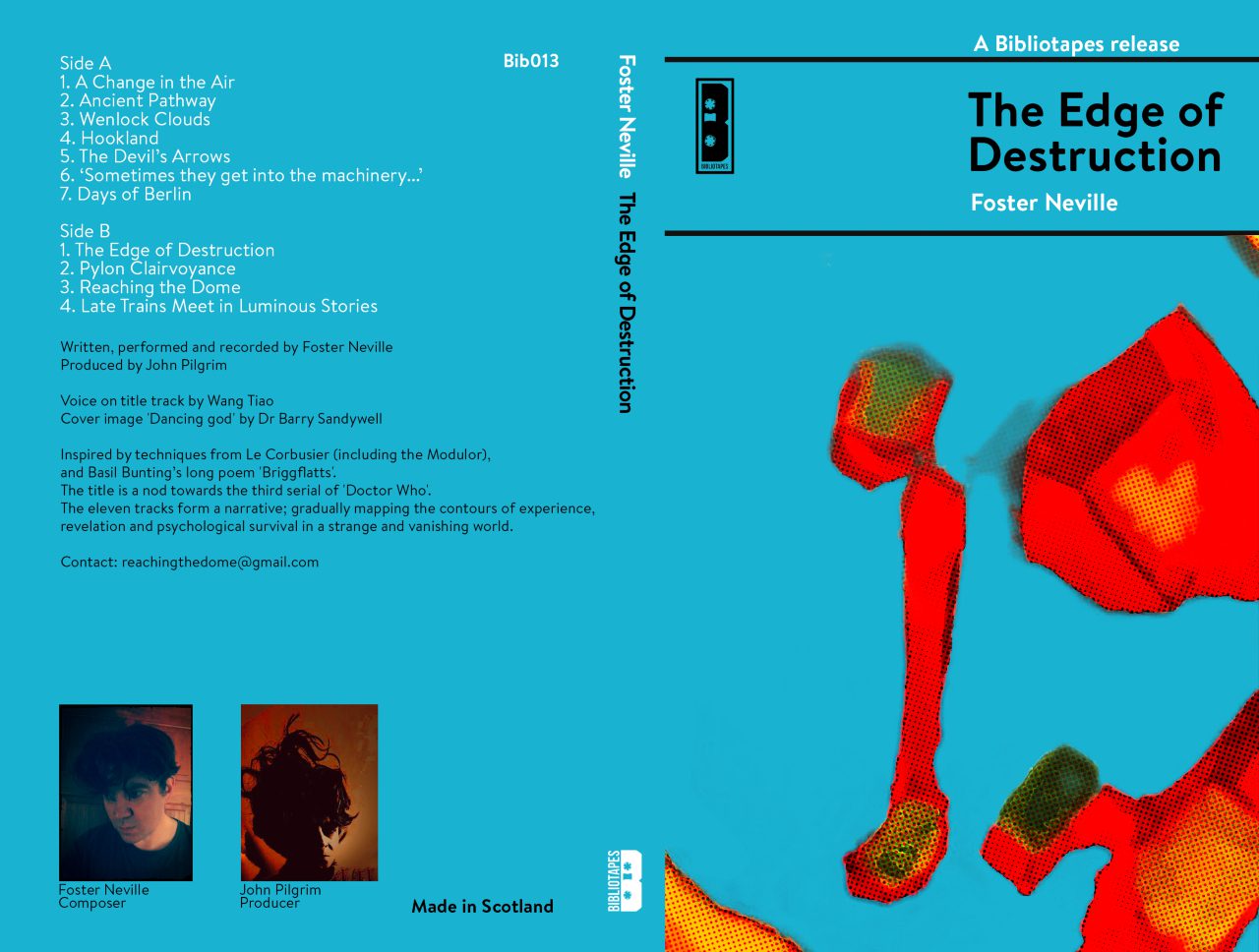
Musician and poet Neville studied under Seamus Heaney and now releases cultish music to international acclaim.